In short
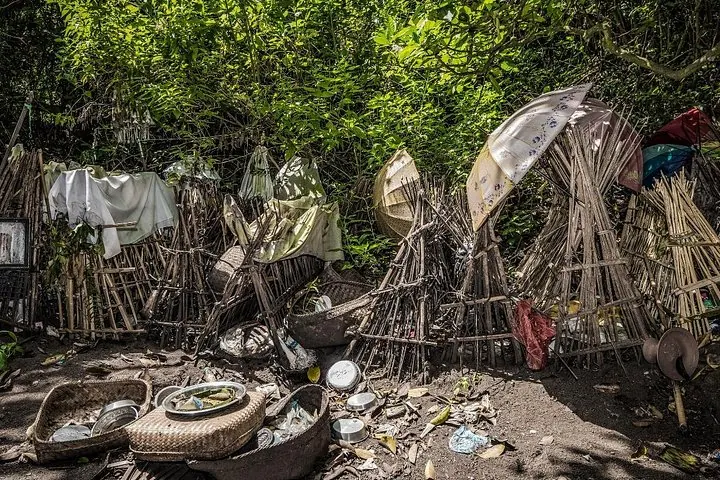
- Bodies are laid in bamboo cages above ground, exposing remains.
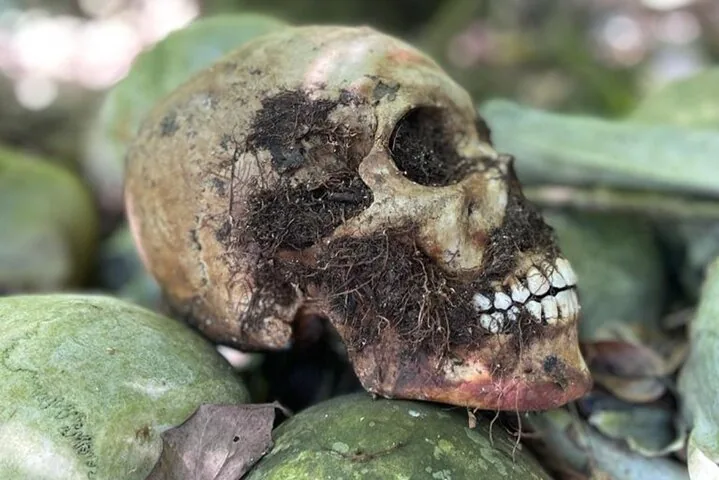
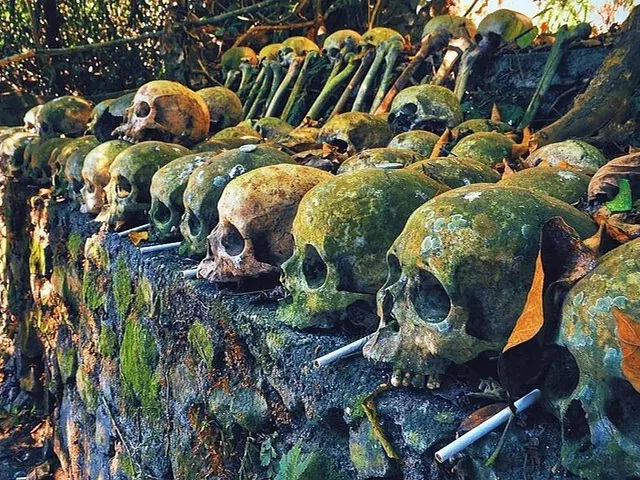
- Rows of older skulls and bones sit on an open stone altar.
- Parents must decide based on their child's maturity and sensitivity.
In this article
A visit to Trunyan Village and its open-air cemetery exposes travelers to highly unusual burial practices. While culturally educational, the visual reality of decomposing bodies and exposed skulls makes it a morbid destination. Parents should exercise strong discretion before bringing children to this sacred Bali Aga site.
What will kids see at Trunyan Cemetery?
Children will see actual human bodies, bones, and skulls.
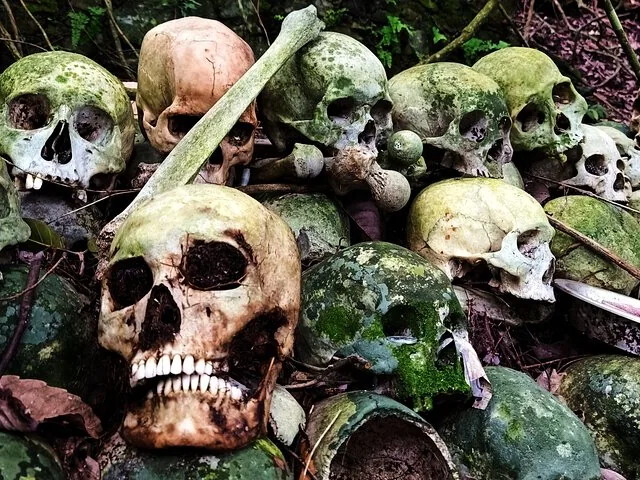
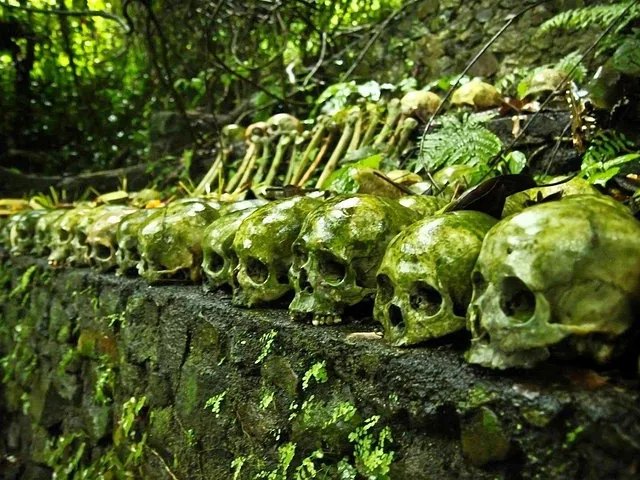
Unlike standard graveyards, Trunyan Cemetery lays deceased individuals on the ground inside triangular woven bamboo cages. Visitors can see remains in various stages of natural decomposition. Older skulls and bones are moved to a stone platform where they sit in open rows.
Are there bad smells at the cemetery?
Locals state the area does not smell, thanks to a sacred tree.
A 1,000-year-old Taru Menyan (fragrant banyan) tree grows at the site. It is believed to emit a powerful fragrance that neutralizes the scent of decomposing bodies. However, you can bring an optional face mask for children who are sensitive to the idea of odors.
Is the boat ride safe for families?
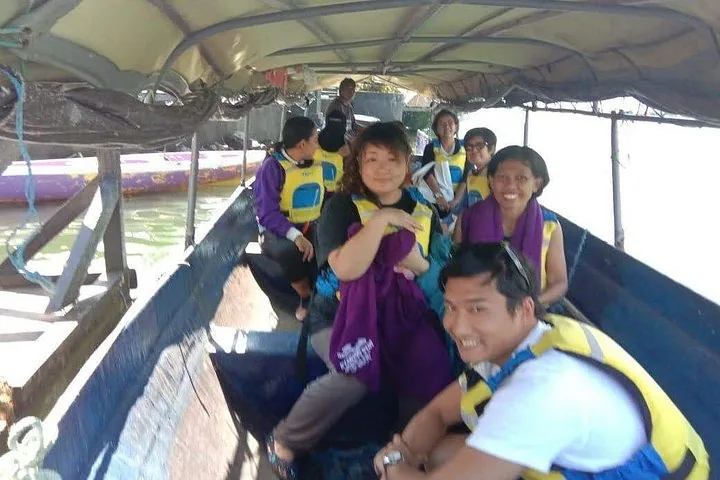
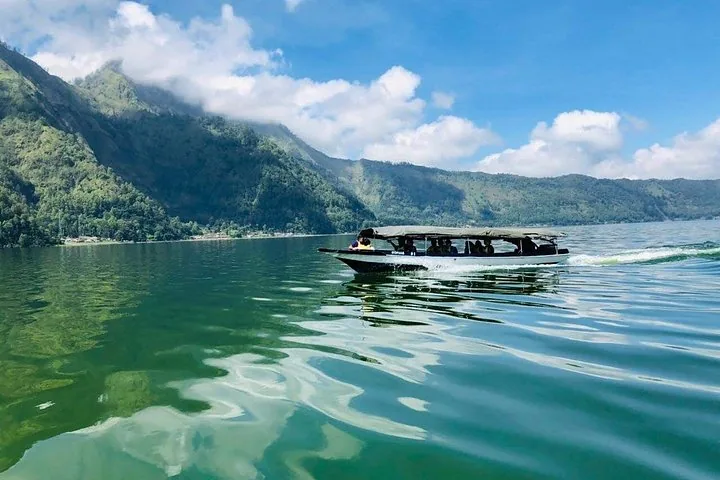
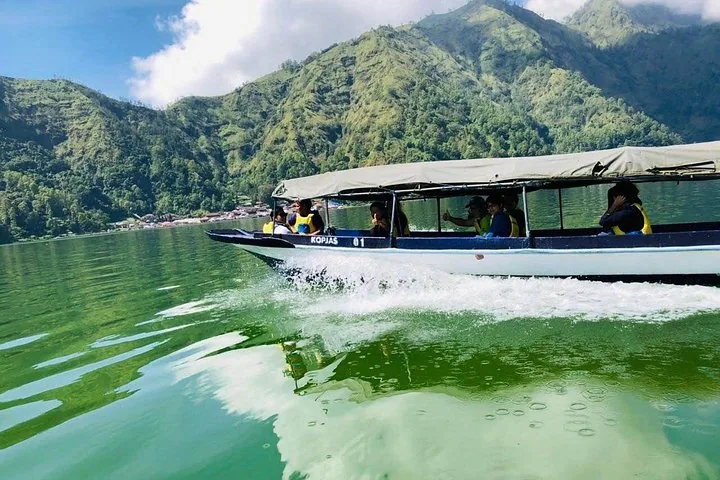
The motorized boat crossing takes 15 to 45 minutes across Lake Batur.
The safest way to travel is by booking a guided tour. Public docks at Kedisan Harbor involve intense negotiation and aggressive boat touts. The lake crossing is exposed to the sun. Bring sunscreen, sunglasses, and hats for the whole family.
What are the rules for children visiting?
Kids must remain quiet and respectful at this active burial ground.
Children must not touch the bamboo cages, bones, skulls, or artifacts. Taking items like rocks or bones from the island is strictly prohibited and deeply taboo. Modest clothing covering shoulders and knees is required. Wearing a sarong is recommended for all ages.
Can you skip the cemetery and just visit the village?
Yes, the village and cemetery are in separate locations.
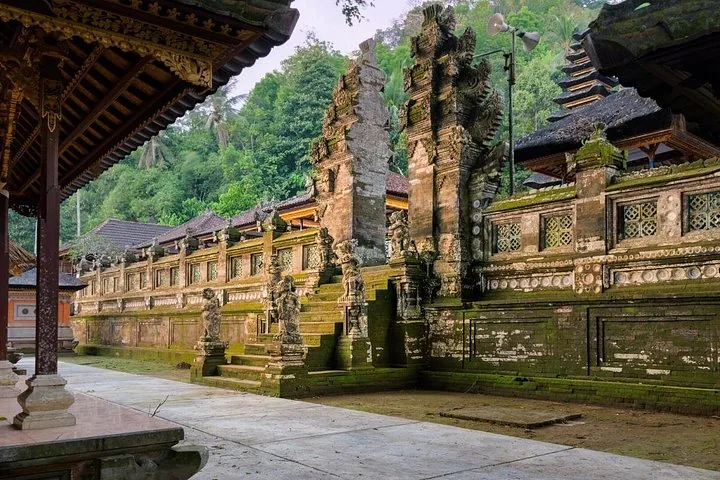
Trunyan Village (Desa Trunyan) is isolated from the cemetery. Families can visit the residential settlement to see traditional Bali Aga houses and the Pura Pancering Jagat temple. This allows you to learn about the culture without seeing the human remains.
Should I book a Trunyan tour with kids?
It depends entirely on your child's maturity and sensitivity to death.
Older teenagers might find the historical and anthropological aspects fascinating. Young children or those easily frightened by skeletons or the concept of death should likely skip the cemetery. Guided tours often include hot springs afterward, which can lighten the mood.
Questions travellers ask
Can anyone be buried at Trunyan Cemetery?
The open-air cemetery (Sema Wayah) is exclusively for married individuals who died of natural causes. The village has three distinct cemeteries for different types of death.
How much does a guided tour cost?
Guided tours generally cost from $40 to $90 USD per person. This usually includes hotel transfers, the boat, and entry. Prices change based on the platform.
When is the best time to visit?
The site is accessible year-round. The dry season from April to October is best. This offers calm lake crossings and clear views of Mount Batur.